Source Motorcycle Riding Knee Pads for Racing, Commuting, and Off-Road
Explore 30 verified motorcycle riding knee pads from China. Compare CE and ISO certified options with customizable logos, varying thicknesses, and bulk pricing. Ideal for adult riders seeking durable protection and health care features for diverse riding conditions; compare the available evidence and request quotations based on your requirements.
Key considerations
Products List


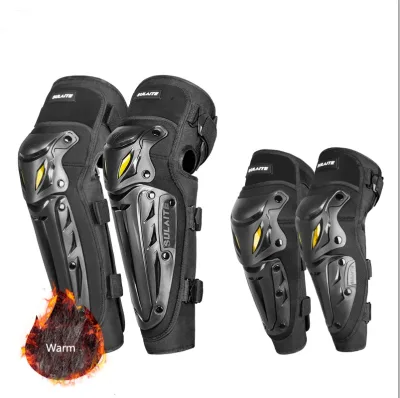
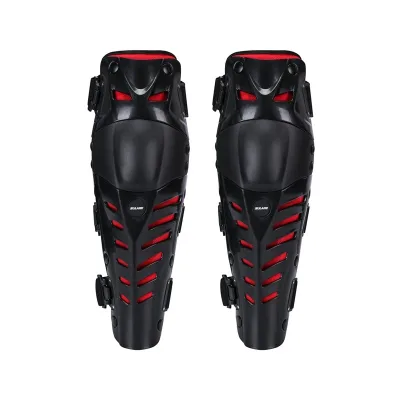
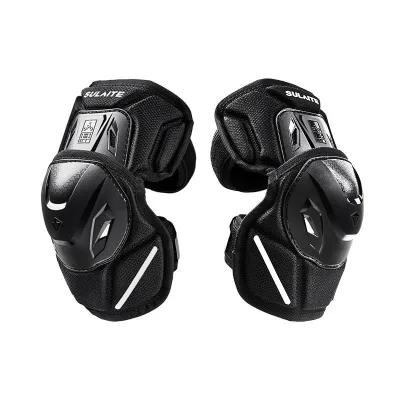
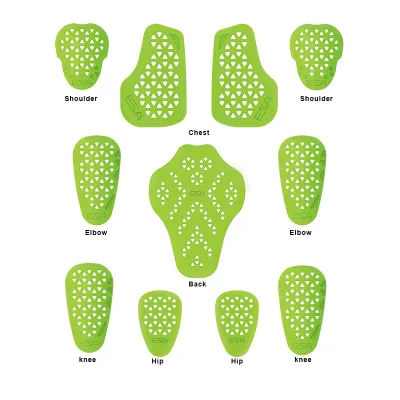


Comprehensive Sourcing Guide
Motorcycle Riding Knee Pads Sourcing Guide
Sourcing motorcycle riding knee pads requires careful attention to the specific protective features and material durability observed in current listings. The available inventory highlights a range of models designed for adult riders, with a primary focus on health care and elbow protection functions, though the core keyword emphasizes knee coverage. Buyers must verify that the selected units meet the "A Class" quality level, ensuring the plastic construction offers sufficient impact resistance for high-speed riding scenarios.
Procurement decisions should also account for the diverse packaging and customization options available in the market. Listings indicate that products can be supplied in individual bags, boxes, or bulk cartons, with some suppliers offering customized logos to match brand identity. The observed delivery timelines are generally tight, with many suppliers promising shipment within ten days of order confirmation, which is critical for maintaining inventory flow in the competitive motorcycle gear sector.
Product Scope and Observed Listing Signals
The current market for motorcycle knee pads presents a wide spectrum of specifications, including varying widths from 300mm to over 500mm and inner diameters ranging between 20mm and 25mm. These dimensions are crucial for ensuring a proper fit across different rider leg sizes, as the products are explicitly categorized for adult use. Buyers should note that while some models are listed as "free size," others have specific model numbers like FOX-MT110 or AP02, suggesting distinct sizing profiles that require precise measurement verification before bulk ordering.
Commercial signals in the listings reveal significant variability in minimum order quantities and packaging standards, ranging from single units to 500-piece thresholds. The observed price points fluctuate between $2.60 and $33.60, reflecting differences in material thickness, which is described as either medium or thick, and the inclusion of features like waterproofing or specific weight capacities. Procurement teams must analyze these signals to determine if the lower-cost options meet the necessary safety standards or if the higher-priced, thicker variants are required for professional racing applications.
Technical Specifications to Verify
Verifying the physical dimensions and material composition is the first step in validating the technical integrity of motorcycle knee pads. The observed data indicates a standard plastic material construction with thickness levels varying from medium to thick, directly influencing the impact absorption capabilities. Buyers must confirm that the inner diameter and width specifications align with the intended rider's anatomy, as mismatches can lead to poor fitment and reduced protection during a fall.
Beyond basic dimensions, the functional attributes such as the "Protect Elbow" feature and the "Health Care" designation require careful interpretation against the specific product model. Some listings specify a weight of 0.46kg, while others provide standard dimensions like 120g or 17x12cm, which may refer to packaging or specific component weights rather than the total unit mass. It is essential to request detailed technical drawings or physical samples to confirm that the stated thickness and material density provide the necessary rigidity and flexibility for motorcycle riding dynamics.
Compliance and Safety Documentation
Ensuring that motorcycle knee pads meet international safety standards is a non-negotiable aspect of the procurement process. The observed listings frequently cite certifications such as CE and ISO9001, alongside CCC marks, which indicate adherence to specific quality management and safety protocols. Buyers should demand valid certification documents for each batch, verifying that the CE mark corresponds to the specific product model and that the ISO certification covers the manufacturing facility's quality control processes.
In addition to general certifications, specific product standards like 120g or 17x12cm dimensions may serve as internal benchmarks for weight and size consistency. However, these should not be confused with formal safety test results. Procurement teams must ensure that the supplier can provide third-party test reports confirming the impact resistance and durability of the plastic material, particularly since the products are marketed for use in regions like the USA, South America, and India, where regulatory requirements may vary significantly.
Cost Drivers and Commercial Terms
The final cost of motorcycle knee pads is heavily influenced by the complexity of customization and the volume of the order. While the base price range is observed between $2.60 and $33.60, the addition of customized logos and specific packaging requirements, such as branded boxes or bulk cartons, can significantly alter the unit economics. Buyers should negotiate based on the total landed cost, considering that higher customization levels often require longer production times, which can extend the standard 20-30 day production window.
Commercial terms also include critical lead time variables, with sample times ranging from 7 to 12 days and production times extending up to 30 days. The minimum order quantity (MOQ) varies widely, with some suppliers requiring as few as 100 pairs while others may have thresholds up to 500 units. Understanding these thresholds is vital for cash flow management, as smaller orders might incur higher per-unit costs, whereas larger volumes could unlock better pricing tiers but require significant upfront capital commitment.
Supplier Qualification and Quality Control
Evaluating supplier qualification involves a thorough review of their manufacturing location and quality assurance protocols. The majority of observed suppliers are based in Zhejiang, China, a region known for its manufacturing capabilities, but buyers must verify the specific factory's track record for producing "A Class" quality goods. It is advisable to conduct on-site audits or request detailed quality control reports that demonstrate how the supplier maintains consistency in plastic molding and assembly processes across different production batches.
Quality control checks should also focus on the consistency of packaging and labeling, as variations in packing methods like "by Bag" versus "Box" can affect product protection during transit. Suppliers offering customized logos must demonstrate a robust process for ensuring brand accuracy and durability of the printed marks. Buyers should establish clear acceptance criteria for defects and require pre-shipment inspections to ensure that the final products meet the specified thickness, weight, and functional requirements before they are shipped to the destination market.
Long-Term Procurement Checks
Establishing a long-term procurement strategy requires regular monitoring of supplier performance and product consistency over time. Buyers should implement a system for tracking warranty claims, given the observed 3-year warranty period, to assess the durability and reliability of the knee pads in real-world conditions. This data will help identify any systemic quality issues early and provide leverage for negotiating better terms or switching suppliers if performance standards are not consistently met.
Continuous market analysis is also essential to stay ahead of evolving safety standards and consumer expectations in the motorcycle gear industry. As the market expands into new regions like India and South America, buyers must ensure that their suppliers can adapt to changing regulatory requirements and customization demands. Maintaining open communication channels with suppliers regarding production capacity and lead times will help mitigate risks associated with supply chain disruptions and ensure a steady flow of high-quality motorcycle knee pads.
FAQs
Can motorcycle riding knee pads be customized with a logo?
Yes, customization is available for these knee pads. Buyers can request a customized logo to be printed on the product. This service allows brands to personalize their gear. The knee pads are made of plastic and come in black. They are suitable for adults and offer health care features. This option supports brand identity for retailers.
What certifications do these motorcycle riding knee pads have?
These knee pads hold CE, ISO9001, and CCC certifications. Some listings also mention ISO certification. These standards indicate compliance with safety and quality requirements. The products are manufactured in Zhejiang, China. Buyers can verify these credentials for market entry. The certifications help ensure the gear meets regulatory needs for export.
What is the delivery time for motorcycle riding knee pads?
The delivery time is within 10 days after order confirmation. Sample time takes 7-12 days, while production takes 20-30 days. This fast turnaround supports urgent restocking needs. The knee pads are packed in bags or boxes. Buyers should confirm orders promptly to utilize this speed. This timeline applies to standard production runs.
What is the MOQ for motorcycle riding knee pads?
The MOQ ranges from 1 to 500 units. Some specific models require 100 pairs as a minimum. This flexibility suits both small and large buyers. The knee pads are available in various sizes. Buyers can choose based on their inventory needs. The low MOQ options allow for trial orders before bulk purchasing.
What are the specifications for motorcycle riding knee pads?
The knee pads have an inner diameter of 20-25mm and widths of 300-400mm or 401-500mm. They are made of plastic with medium or thick thickness. The weight is approximately 0.46kg. They are non-waterproof and suitable for adults. These specs ensure a secure fit. The design focuses on protection and comfort for riders.
What is the warranty period for motorcycle riding knee pads?
The warranty period is 3 years for these knee pads. This coverage provides long-term assurance for buyers. The products are made of durable plastic material. They are designed for adult use. The warranty supports the quality level of A Class. Buyers can rely on this support for product longevity.